
Online Health Coaching: Strategies for Preventative Wellness

In today's fast-paced world, maintaining good health can often feel like a daunting task. With the rise of chronic diseases and lifestyle-related health issues, the need for preventative wellness strategies has never been more critical. Online health coaching has emerged as a powerful tool to help individuals take charge of their health, offering personalized guidance and support. This blog post will explore effective strategies for preventative wellness through online health coaching, providing you with actionable insights to enhance your well-being.
Understanding Online Health Coaching
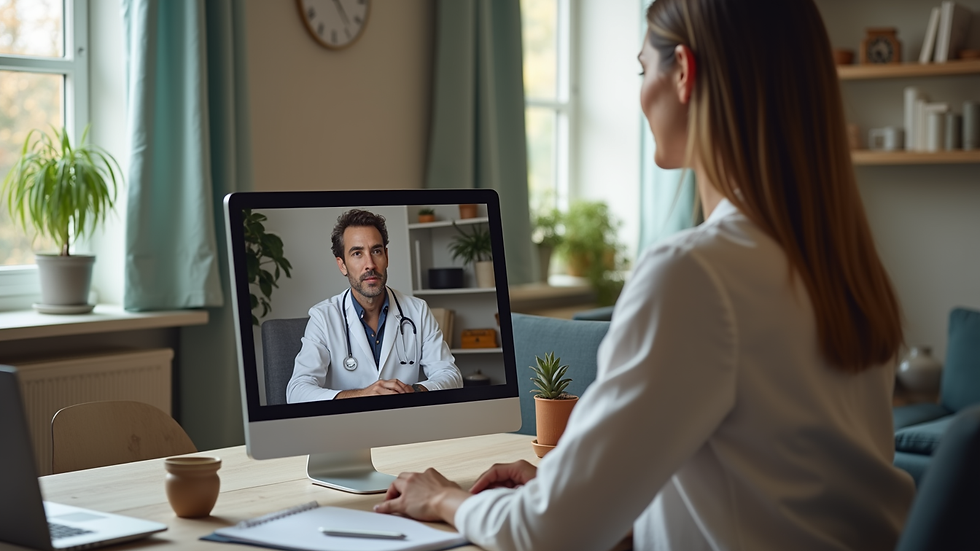
Online health coaching is a service that connects individuals with certified health coaches through digital platforms. This approach allows for flexibility and accessibility, making it easier for people to prioritize their health. Coaches provide tailored advice, support, and accountability, helping clients set and achieve their wellness goals.
Benefits of Online Health Coaching
Accessibility: Clients can connect with coaches from anywhere, eliminating geographical barriers.
Personalization: Coaches tailor programs to fit individual needs, preferences, and lifestyles.
Flexibility: Sessions can be scheduled at convenient times, accommodating busy schedules.
Supportive Environment: Online platforms create a safe space for clients to share their challenges and successes.
Key Strategies for Preventative Wellness
1. Setting Clear Goals
One of the first steps in any health coaching journey is setting clear, achievable goals. This process involves:
Identifying Health Priorities: Determine what aspects of your health you want to improve, such as nutrition, exercise, or stress management.
Creating SMART Goals: Goals should be Specific, Measurable, Achievable, Relevant, and Time-bound. For example, instead of saying, "I want to eat healthier," a SMART goal would be, "I will eat at least five servings of fruits and vegetables each day for the next month."
2. Developing a Balanced Nutrition Plan
Nutrition plays a crucial role in preventative wellness. A health coach can help you create a balanced nutrition plan that includes:
Whole Foods: Focus on incorporating whole, unprocessed foods into your diet, such as fruits, vegetables, whole grains, lean proteins, and healthy fats.
Meal Planning: Work with your coach to develop a meal plan that fits your lifestyle and preferences, making it easier to stick to healthy eating habits.
Mindful Eating: Practice mindful eating by paying attention to hunger cues and savoring each bite, which can help prevent overeating.
3. Incorporating Regular Physical Activity
Physical activity is essential for maintaining a healthy lifestyle. Your health coach can assist you in:
Finding Enjoyable Activities: Explore different forms of exercise to find what you enjoy, whether it's dancing, hiking, or yoga.
Creating a Routine: Develop a consistent exercise routine that fits your schedule and gradually increases in intensity.
Setting Milestones: Set fitness milestones to keep you motivated, such as running a certain distance or completing a specific number of workouts each week.
4. Managing Stress and Mental Health
Mental health is just as important as physical health. Online health coaching can provide strategies for managing stress, including:
Mindfulness Practices: Incorporate mindfulness techniques such as meditation, deep breathing, or journaling to reduce stress and improve mental clarity.
Work-Life Balance: Work with your coach to establish boundaries between work and personal life, ensuring you have time to recharge.
Seeking Support: Encourage open communication with your coach about mental health challenges, allowing for tailored strategies to address these issues.
5. Regular Health Assessments
Regular health assessments are vital for tracking progress and making necessary adjustments. Your health coach can help you:
Monitor Key Metrics: Keep track of important health metrics such as weight, blood pressure, and cholesterol levels.
Adjust Goals as Needed: Based on your progress, your coach can help you modify your goals and strategies to ensure continued success.
Celebrate Achievements: Acknowledge and celebrate your accomplishments, no matter how small, to maintain motivation.
The Role of Technology in Online Health Coaching
Technology plays a significant role in enhancing the effectiveness of online health coaching. Here are some tools that can support your wellness journey:
1. Mobile Apps
Many health coaching programs utilize mobile apps to facilitate communication and track progress. These apps can help you:
Log Food Intake: Keep a food diary to monitor your eating habits and identify areas for improvement.
Track Exercise: Record workouts and physical activity to stay accountable and motivated.
Set Reminders: Use reminders for hydration, meals, and exercise to help you stay on track.
2. Video Conferencing
Video conferencing platforms allow for face-to-face interactions with your coach, creating a more personal connection. Benefits include:
Real-Time Feedback: Receive immediate feedback during coaching sessions, making it easier to adjust strategies on the spot.
Visual Demonstrations: Coaches can demonstrate exercises or meal prep techniques, enhancing your understanding and execution.
3. Online Communities
Many health coaching programs offer access to online communities where clients can connect with others on similar journeys. These communities provide:
Peer Support: Share experiences, challenges, and successes with others, fostering a sense of belonging.
Resource Sharing: Access valuable resources, such as recipes, workout plans, and wellness articles.
Overcoming Common Challenges in Online Health Coaching
While online health coaching offers numerous benefits, clients may encounter challenges along the way. Here are some common obstacles and strategies to overcome them:
1. Lack of Motivation
It's normal to experience dips in motivation. To combat this, consider:
Setting Short-Term Goals: Break larger goals into smaller, manageable tasks to maintain motivation.
Finding an Accountability Partner: Connect with a friend or family member who can support you in your wellness journey.
2. Information Overload
With so much information available online, it can be overwhelming. To navigate this:
Trust Your Coach: Rely on your health coach for guidance and clarity, focusing on their recommendations rather than seeking out conflicting information.
Limit Research Time: Set a specific time for research to avoid getting lost in the vast amount of information available.
3. Time Constraints
Busy schedules can make it challenging to prioritize health. To address this:
Schedule Workouts: Treat exercise like an important appointment by scheduling it into your calendar.
Incorporate Movement into Daily Life: Look for opportunities to be active throughout the day, such as taking the stairs or going for a walk during lunch breaks.
Conclusion
Online health coaching offers a valuable resource for individuals seeking to improve their health and well-being through preventative wellness strategies. By setting clear goals, developing balanced nutrition plans, incorporating regular physical activity, managing stress, and utilizing technology, you can take significant steps toward a healthier lifestyle. Remember, the journey to wellness is a marathon, not a sprint. Embrace the process, stay committed, and celebrate your progress along the way.
Take the first step today by exploring online health coaching options that resonate with you. Your health is worth the investment.


Comments